Featured

MaST and CrisisCast CNI website

MaST and CrisisCast are absolutely delighted to introduce our new Critical National Infrastructure (CNI) website www.cni-hub.com

Our new website provides simple and easy access to all of our relevant training for those organisations and security individuals involved in the protection of national infrastructure along with a forum to explore current CNI information and relevant security incidents happening all over the world. Our launch of the CNI website also coincides with the introduction of a new Critical Protection National Infrastructure (CPNI) website which affords the user the opportunity to view all CPNI Advice & guidance designed to help organisations manage their security risks. CPNI is the UK government’s National Technical Authority for physical and personnel protective security.

Protect Duty Consultation

The “Protect Duty” consultation was to consider how Government can work together with
private and public sector partners to develop proportionate security measures to improve public security
and to counter terrorism. It also considered how those responsible for Publicly Accessible Locations
(Publicly Accessible Locations) (any place to which the public or any section of the public has access, on
payment or otherwise, as of right or by virtue of express or implied permission) are ready and prepared
to take appropriate action in the event that a terrorist attack was to happen.

You can view the Protect Duty consultation summary & outcome – on Gov.uk or download a copy.

2021 IN REVIEW

And so as 2022 begins, we at MaST and CrisisCast would like to wish all of our customers, new and old, a very Happy and prosperous New Year!

Although 2021 was a difficult and testing year, one of our main highlights was that we were able to share the exciting news of the successful amalgamation of both companies and the formation of our new board of directors who have come together over the past six months in order to bring you an improved offering, in what we believe will be the new face of security training for the future, incorporating principal elements of story-telling and immersive theatre in order to embed important learning.

Other highlights include:-

Project Tyrion – Working in partnership with the British Army to develop a new concept in virtual reality training to assist officers and soldiers in their encounters with those often difficult and cross-cultural communications in hostile environments.

Project CNI – Mast and CrisisCast working together to support and promote their training through a new and informative platform, providing a simple and easy way for organisations involved in the protection of national infrastructure to access available training. The new website (www.cni-hub.com) also seeks to help support the new security principles proposed by Martyn’s Law and the governments ‘Protect Duty’ plans.

We have previously echoed the importance of encompassing elements of Counter Terrorism training through our dramatized learning packages, such as the Behavioural Detection course, where we understand the importance of identifying suspicious items and people before they have a chance to become a true threat, and we would encourage anyone who is serious about protecting their own critical infrastructure or future events to come and talk with us to see how we can help you address those threats through our bespoke offering.

Outside of those physical threats to organisations, we need to continue to be aware of protecting important and essential infrastructure from cyber-attacks. Did you know that UK businesses were hit every 49 seconds by cyber-attacks between April and June this last year – Our Cyber Security Awareness course is absolute essential entry-level learning for any business or organisation who wants to strengthen their cyber resilience.

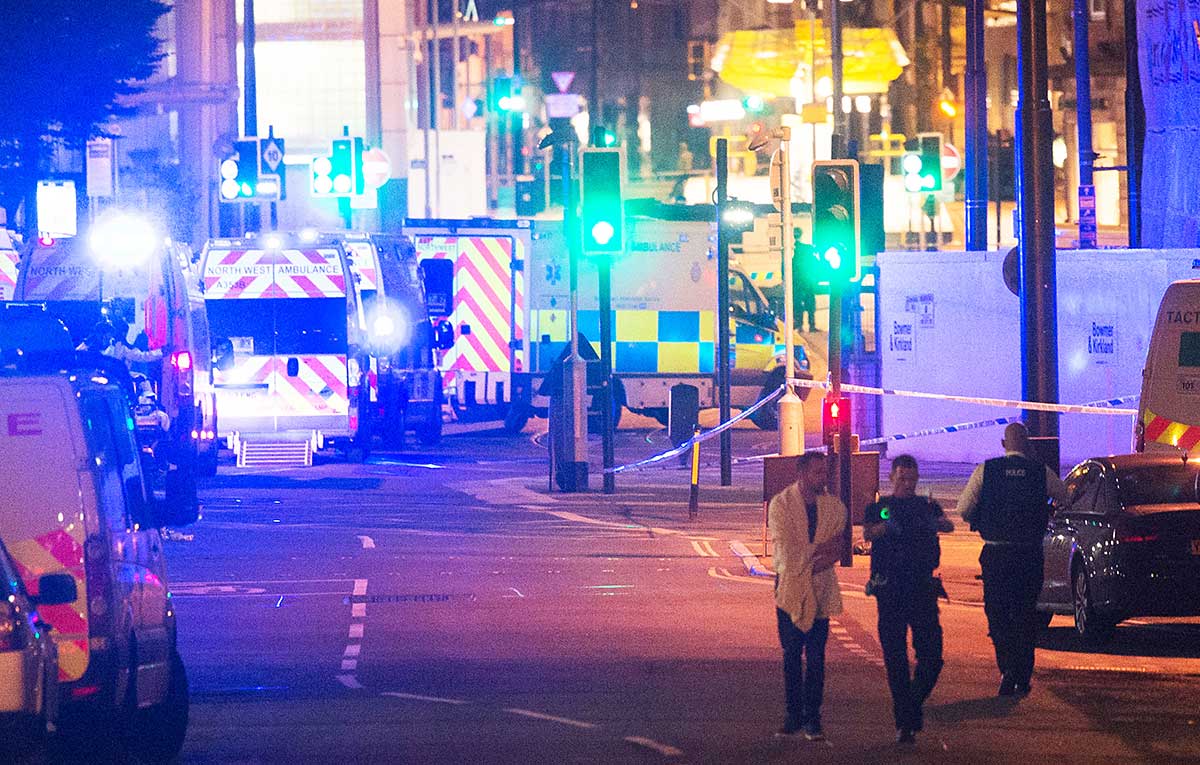
Finally, we are delighted to hear that the ‘Glade of Light’ memorial (pictured above) bearing the names of those killed in the Manchester Arena Terrorist Attack in May 2017 will be officially open to the public from this Wednesday. Every year around the anniversary of the attack, white flowers of a hawthorn tree planted at its centre will be in full bloom – MaST and CrisisCast will continue to support the future progression of Martyn’s Law and hope that this memorial will be a lasting tribute to all those that lost their lives on that terrible night.

LIVERPOOL HOSPITAL ATTACK – 14.11.21

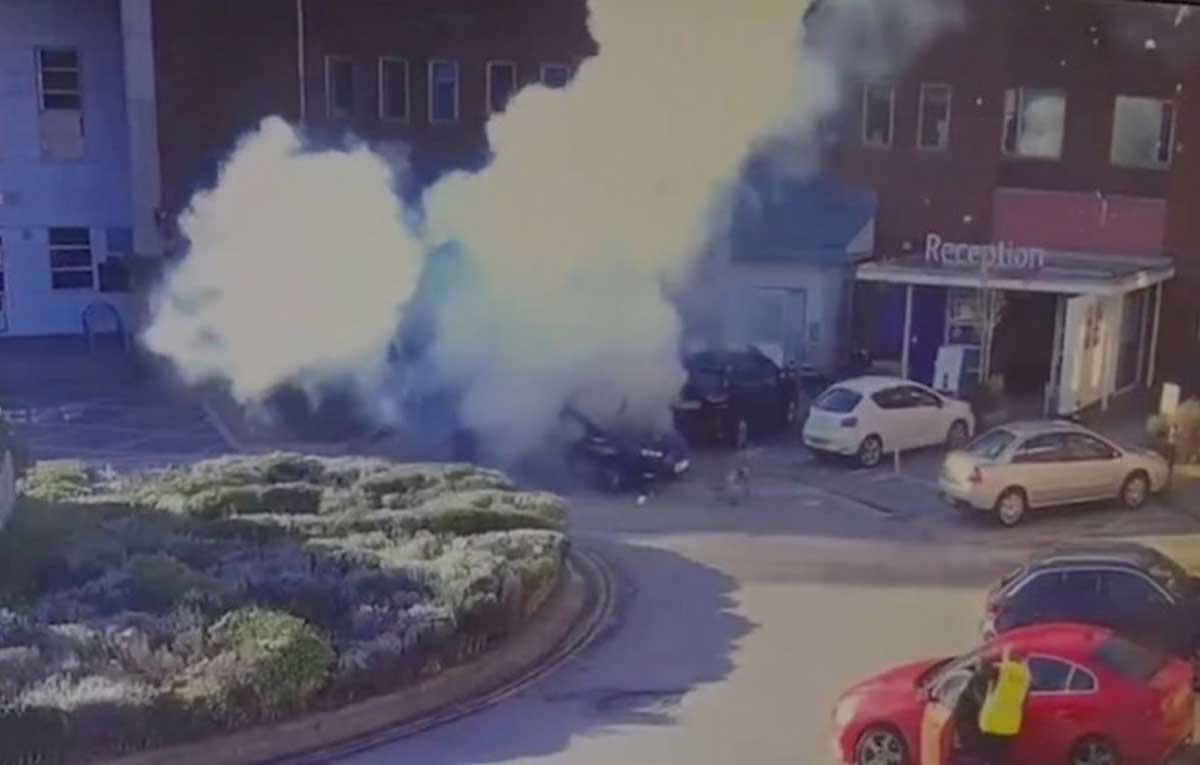
Following Sunday’s suspected suicide bomb attack outside a maternity hospital in Liverpool, the Joint Terrorism Analysis Centre (JTAC) has changed the threat level for terrorism from substantial to SEVERE. This is a precautionary measure but means an attack has been assessed as highly likely.

Police have stated that they are unsure if the women’s hospital was an intended target or if the device that had been constructed had exploded prematurely, but this highlights the importance that hospitals continue to be of high regard as part of a nations critical national infrastructure and that we do everything possible to ensure they remain secure and fully operational at all times, and staff have the proper training to be able to deal with any such incidents.

NHS officials have now been tasked with urgently reviewing all of their security arrangements in place to ensure that staff are prepared to know how to act and stay safe if their hospital is targeted by terrorists in the future. 

Many hospitals have already increased their security provision due to staff having experienced a surge in assaults during the Covid period, but they still remain open places where you are able to access areas by car or by foot quite easily without the need to pass through any security checks. 

Should we increase front of house security at hospitals with airport style security measures or would that create an unnecessary fortification of public amenities where hospitals then become a frightening place to visit ? 

CNI Attacks Update Nov 2021

In February 2021, unknown persons were able to gain access to the operating systems of a water treatment plant in Florida. The attack attempted to poison the water supply by increasing the amount of sodium hydroxide in the water from 100 parts per million to 11,100 parts per million. The attempt was stopped by an operator who was able to reverse the settings before the toxic levels of the chemical reached the water.
On May 7th 2021, the Colonial Pipeline which transports gasoline and jet fuel across southern USA was the target of a ransomware attack and resulted in its owner paying over 4 million US dollars to the cybercriminals responsible. When the attack occurred, Colonial Pipeline shut down services, which led to huge fuel shortages up and down the US East Coast.

MaST and CrisisCast supporting Martyn’s Law

On 22nd May 2017, a suicide bomber detonated a homemade explosive device inside the Manchester Arena killing 23 people and injuring 1,017 others. It has been accepted by government and UK Security Services that different actions could have stopped the plot and the extremist involved could have had his actions flagged and plans revealed, especially in regard to observation of the suspect’s behaviour and his ‘anti-surveillance’ tactics to remain unnoticed.
MaST and CrisisCast are fully committed in supporting the principles of Martyn’s Law and the governments ‘Protect Duty’ plans to help protect public places from terrorist attacks, and ensure that organisations have suitable protective security and preparedness in place.
Protect Duty proposals have been supported by victims groups of the Manchester Arena bombing including the Martyn’s Law campaign which was established by Figen Murray who tragically lost her son, Martyn, in the attack.
Using the medium of film along with story-telling, MaST and CrisisCast have developed a suite of real-life online immersive training such as Behavioral Training and Baseline Counter Terror Awareness to help organisations responsible for security of public venues and crowded spaces, get ahead of the game and become more prepared in the event of a terrorist attack, and look forward to collaborating with both government and those in the private sector to protect the public against those that would wish us harm.

Physical Security – Fire as a Weapon

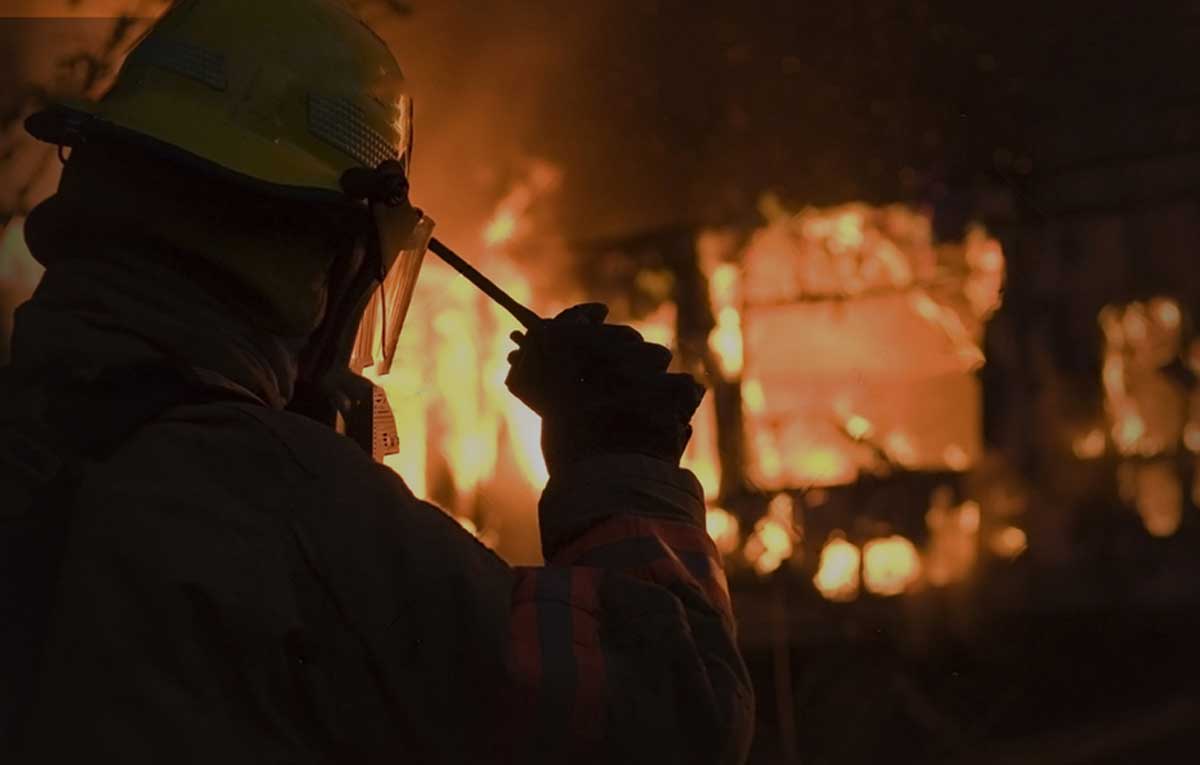
Fire as a weapon (FAW) is defined as the deliberate use of fire within a terrorist attack with the intent to cause harm. This may include causing harm to people, premeditated damage to property, or a combination of both.
In collaboration with the Home Office, National Counter Terrorism Security Office (NaCTSO) and the National Fire Chiefs Council (NFCC), A new guidance document has been developed which highlights the mitigation of the risks posed by terrorists conducting attacks that combine the use of fire with other attack methods, known as a fire as a weapon (FAW) attack, and aimed at those security individuals responsible for the protection of Critical National Infrastructure (CNI) sites, sensitive sites and crowded places.

Personnel Security – Espionage

Director General Ken McCallum of Mi5 has made reference in his annual threat update of 2021, that hostile states seeking to spy on certain governments is still happening and is very real. What are hostile states and what constitutes a hostile act ? A hostile act (as defined by UK Govt) is one that threatens national security, threatens the economic well-being of the UK in a way relevant to the interests of national security, or is an act of serious crime. The act must also be linked to a foreign (hostile) state other than the UK.
Hostile States sometimes use people on the ‘inside’ to obtain privileged or secret information in order to make their hostile act easier to carry out. When we consider the protection of critical national infrastructure, we must also look at all our personnel roles in the organisation and identify which of those roles who have the greatest opportunity to damage our business or be corrupted by other hostile individuals. The UK Centre for the Protection of National Infrastructure (CPNI) recommends that organisations follow CPNI’s Principles of Protective Security Risk Management and Insider Threat Mitigation Programme –when implementing any new employment strategy.

UK National Cyber Security Centre (NCSC) Highlights.

Covid-19 appears to be here for the long-haul and scientists all over the world are busy predicting what this might look like for next months and years ahead. For much of the past two years, we as a nation have been completely absorbed in the security response to the global pandemic. What we sometimes seem to forget, is how busy this same period has been for our security professionals who look to protect those same nations assets. 2020 and 2021 were intense periods for many of our industry partners, working alongside government departments such as The National Cyber Security Centre (NCSC) in order to ensure the correct defence was in place for our Critical National Infrastructure (CNI).
Some of those successes where industry and government have worked closely together are covered in the recently launched Annual Review.

US National Critical Infrastructure Security and Resilience Month

As we begin the slow and sometimes gloomy move from autumn into Winter, November is usually recognised for its fireworks and bonfires and the early onset of Christmas decorations in shopping malls all over the UK. In the USA, thoughts around their Thanksgiving Holidays take precedent, but of a greater importance to our US security counter-parts, November is also recognised as National Critical Infrastructure Security and Resilience Month. Following on from Cybersecurity Awareness month in October, November is a good reminder to all organisations involved in the protection of US Critical National Infrastructure about the importance of what their roles are in providing that protection. The first formal definition of Critical National Infrastructure (CNI) dates back to 1996 from President Bill Clinton where he signed Executive Order 13010 addressing the importance of protecting those assets that comprised of US CNI. Please click here for more details and the Proclamation on Critical Infrastructure Security and Resilience Month 2021 issued by The White House on October 29th 2021.

GovS 007: Security Planning

What is Govs 007 all about ? Not so much Secret Service but more about a set of service standards for government which all departments are expected to use as soon as possible, with an expectation that those departments will have started to put these standards in place from September 2021.
Govs 007 definitely sets its expectations high in respect of the direction and management of security in the government landscape. Launched for trial in September 2020 amidst the chaos of Covid-19, these new security standards are designed to sit alongside current functional standards and help re-inforce new technical standards in the fields of personnel, physical, information and cyber security. Govs007 standards will also become part of the normal risk assurance arrangements in place and will be used to measure effectiveness as part of governmental annual reporting requirements. Please click here for more details concerning Govs 007 suite of functional standards